


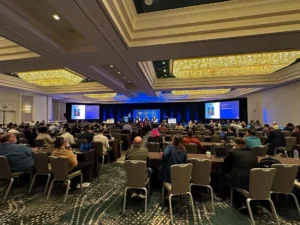
The beginning of a new year tends to come with a lot to talk about. Maybe a new strategy your leadership team has spent months developing and is finally ready to share with the people responsible for making it happen. Priorities and goals reset for the year.
That’s why January and February are filled with company kickoff meetings, sales meetings, leadership sessions, all-hands, and team gatherings. Whether you’re bringing 50 people together or 500, the goal is usually pretty similar: get everyone in the same room, get everyone on the same page, and start the year with some momentum. The production should help you do that, not become another thing you have to figure out.
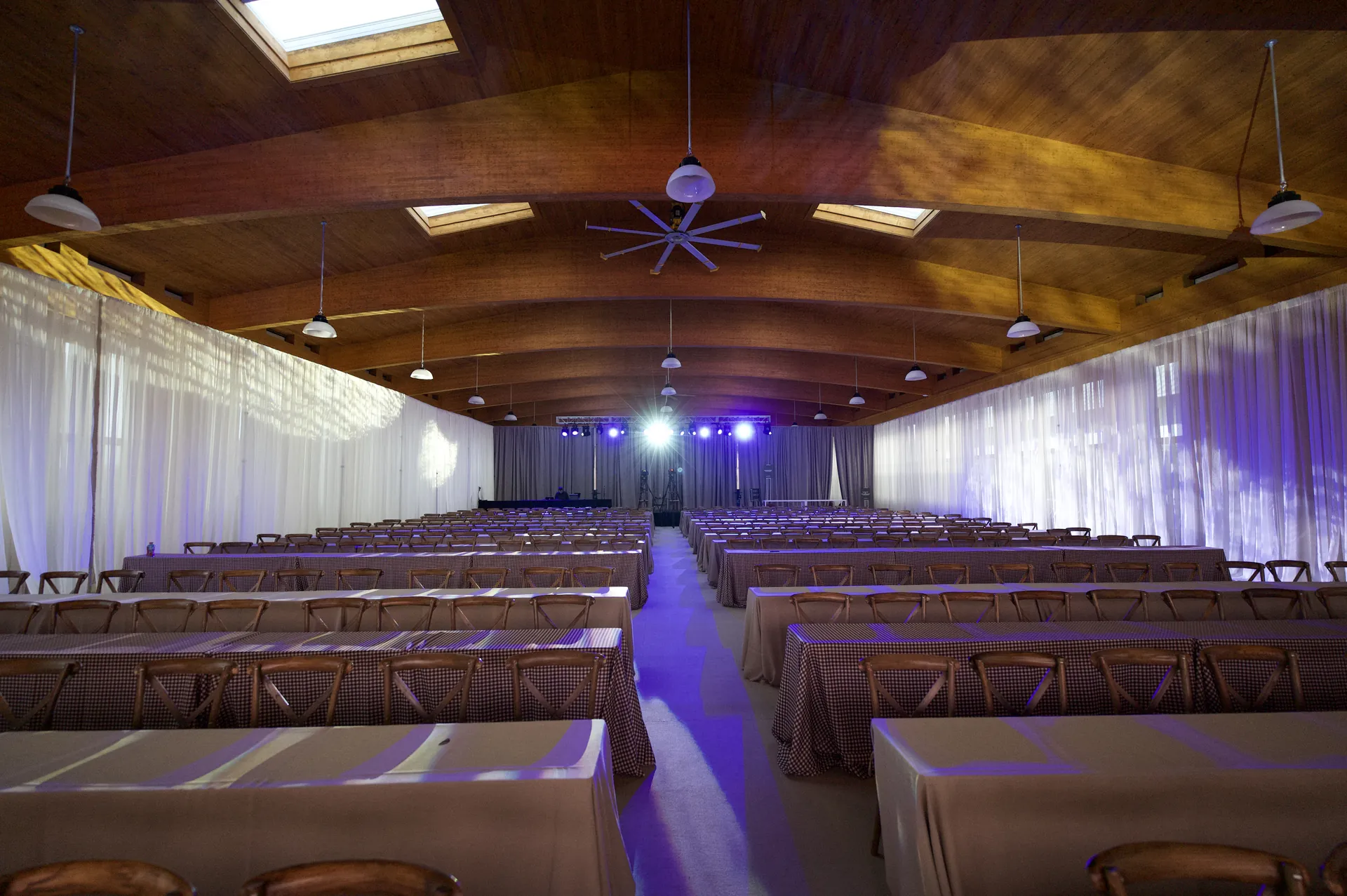
One of the most common mistakes in planning a corporate meeting is starting with a list of equipment. How many microphones do we need? What size screens? Do we need lighting? Cameras? A stage? Those are important questions eventually, but they shouldn’t be the first questions.
Start with what the meeting needs to accomplish. Who needs to be there? What does leadership need to communicate? Will there be presentations, videos, panels, Q&A, awards, or audience participation? Are all of your employees in Huntsville, or will people be joining remotely from other offices? What should people understand or be ready to accomplish when the meeting is over?
Once we understand those things, we can determine what production support actually makes sense.
It sounds simple because it is simple: if you’re bringing your company together for an important meeting, everyone should be able to clearly see, hear, and follow what’s happening.
That may mean microphones for executives and presenters, screens that are properly sized for the room, presentation support, video playback, lighting, confidence monitors, recording, or livestreaming. For a hybrid company kickoff, it also means thinking about the employees who aren’t physically in the room. They shouldn’t feel like they’re watching the meeting from the outside. Good production considers their experience, too.
The right setup depends on your audience, room, agenda, content, and goals. More equipment isn’t automatically better. The right production is the production that supports the meeting without getting in its way.
You don’t need every detail figured out before calling an event production company. In fact, we’d rather you didn’t. If you’re still choosing a venue for your company kickoff, that’s a great time to bring Bluewood into the conversation. Room size, ceiling height, available power, existing AV, load-in access, internet connectivity, sightlines, and the way you plan to use the space can all affect production. A room that looks perfect during a walkthrough may work very differently once you add a stage, screens, cameras, presenters, and a few hundred people.
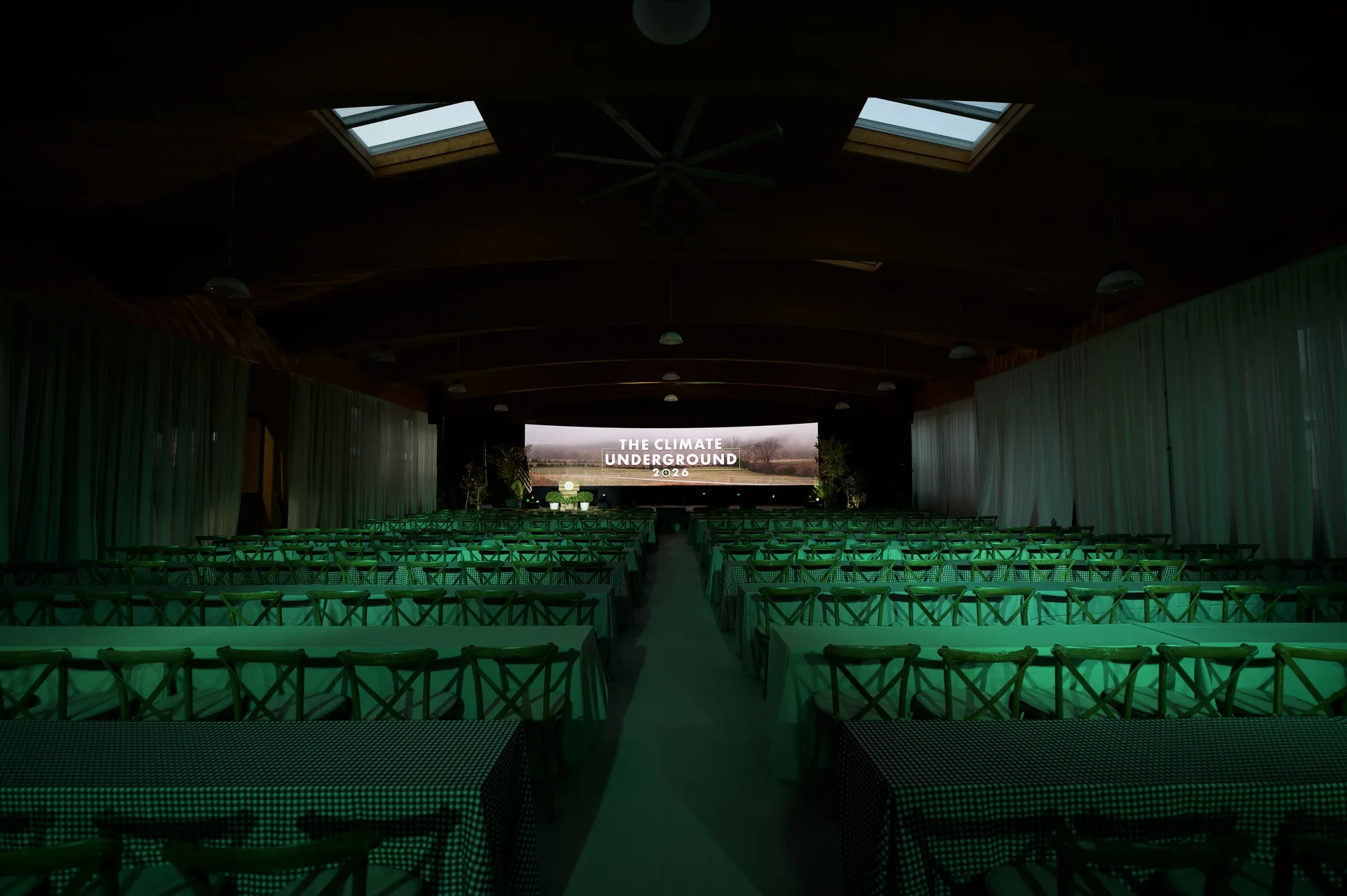
The same is true for your agenda. Knowing early that the CEO wants to take live questions, the sales team has six videos to play, or three offices need to join remotely gives everyone time to build the right plan instead of solving those needs at the last minute.
The technology is only part of a successful company meeting. What’s actually being shown and shared matters just as much. If multiple departments are presenting, decide early who is responsible for collecting presentations and videos and when those files are due. Think about transitions between speakers. Determine whether presenters will advance their own slides or have someone do it for them. If videos include audio, make sure they’re tested with the production system. If remote presenters are involved, give them time to test their connection before the meeting begins.
None of this is particularly glamorous, but it’s exactly the kind of preparation that makes the day itself feel easy.
Bluewood Productions supports company kickoff meetings, corporate all-hands, sales meetings, leadership meetings, internal communications, livestreams, and hybrid events in Huntsville, North Alabama, Birmingham, and throughout the region. And you don’t have to come to us speaking AV.
Tell us what you’re planning, who needs to be there, what you need to communicate, and what you want the meeting to accomplish. We’ll ask the questions that help uncover the rest and build a production plan around what your team actually needs.
If your January or February company kickoff is already starting to take shape, now is a good time to bring us into the conversation.